Laboratory Members
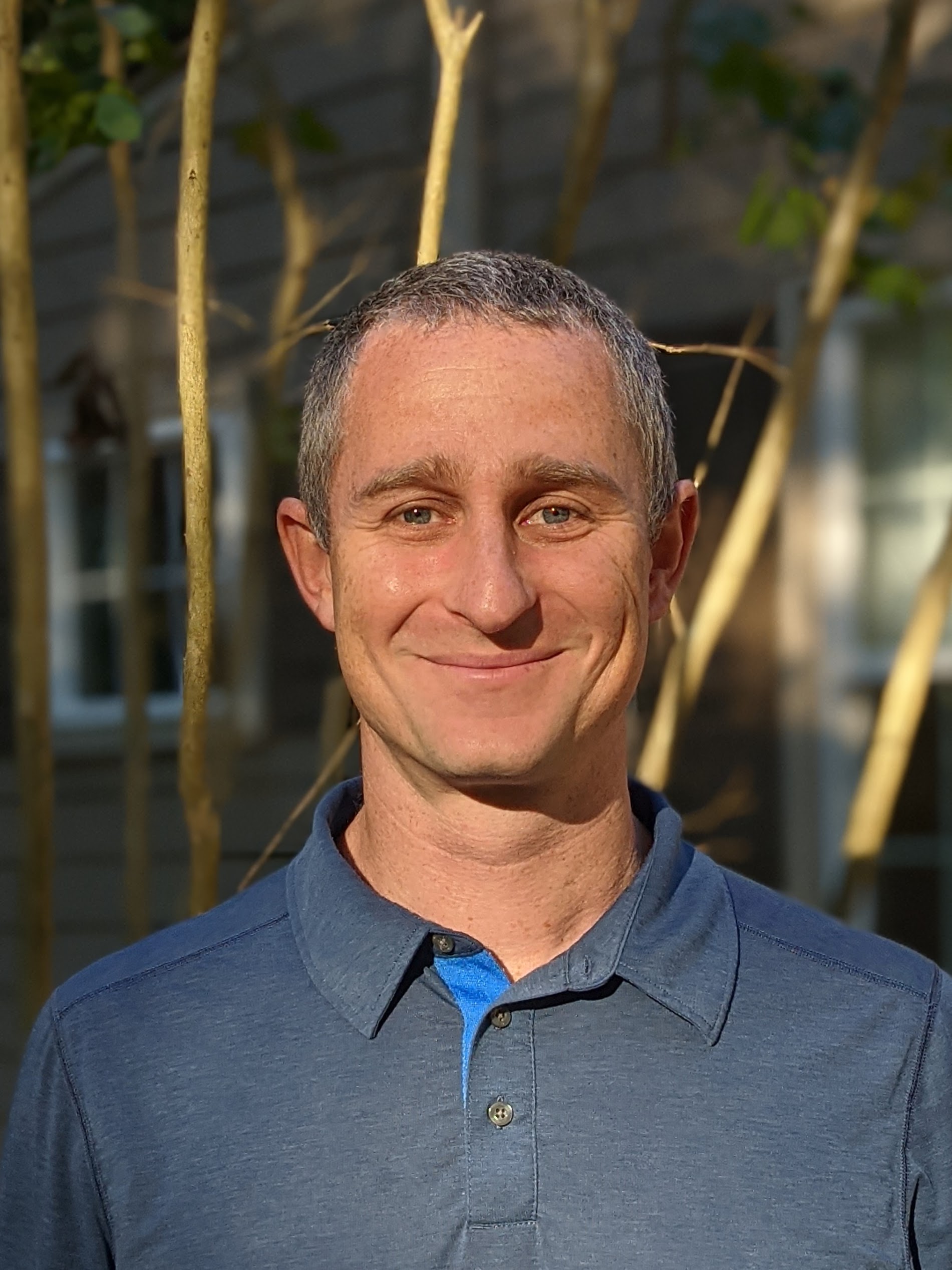
Craig Lowe
Associate Professor / Principal Investigator
Craig's background is in computer science, bioinformatics, and developmental genetics, which spans both computational and experimental research. He has been a faculty member in the Department of Molecular Genetics and Microbiology at Duke University since June 2018, and was awarded tenure in January 2026.
Google Scholar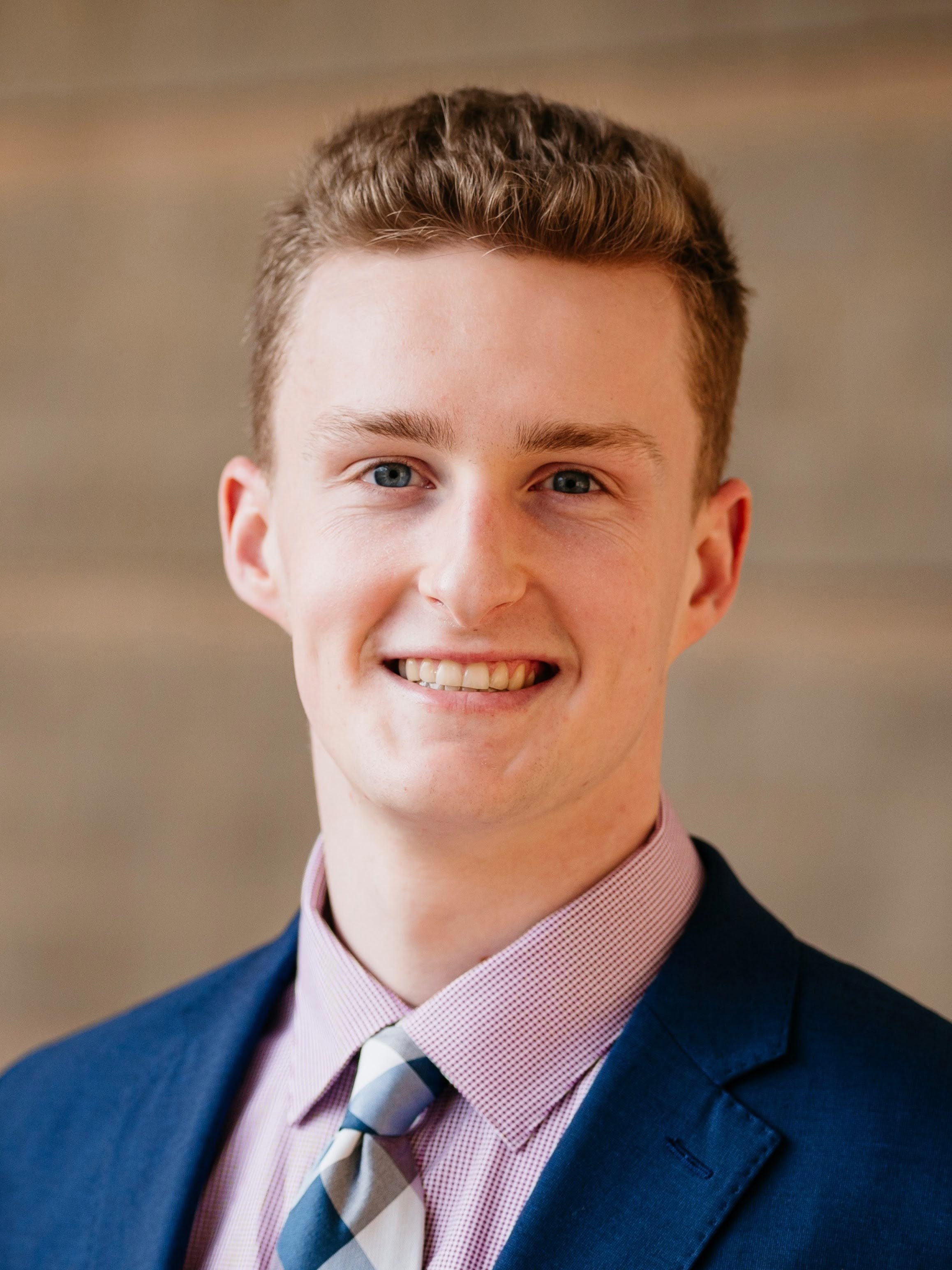
Seth Weaver
Graduate Student
Seth is a graduate student in the Cell and Molecular Biology (CMB) PhD program. He is using high-throughput CRISPR screens, such as Perturb-seq, to discover the genetic basis of phenotypes unique to humans. He has a particular interest in understanding how segmental duplications have rewired existing gene regulatory elements to act on a different gene, as well as created additional regulatory elements that are unique to humans.
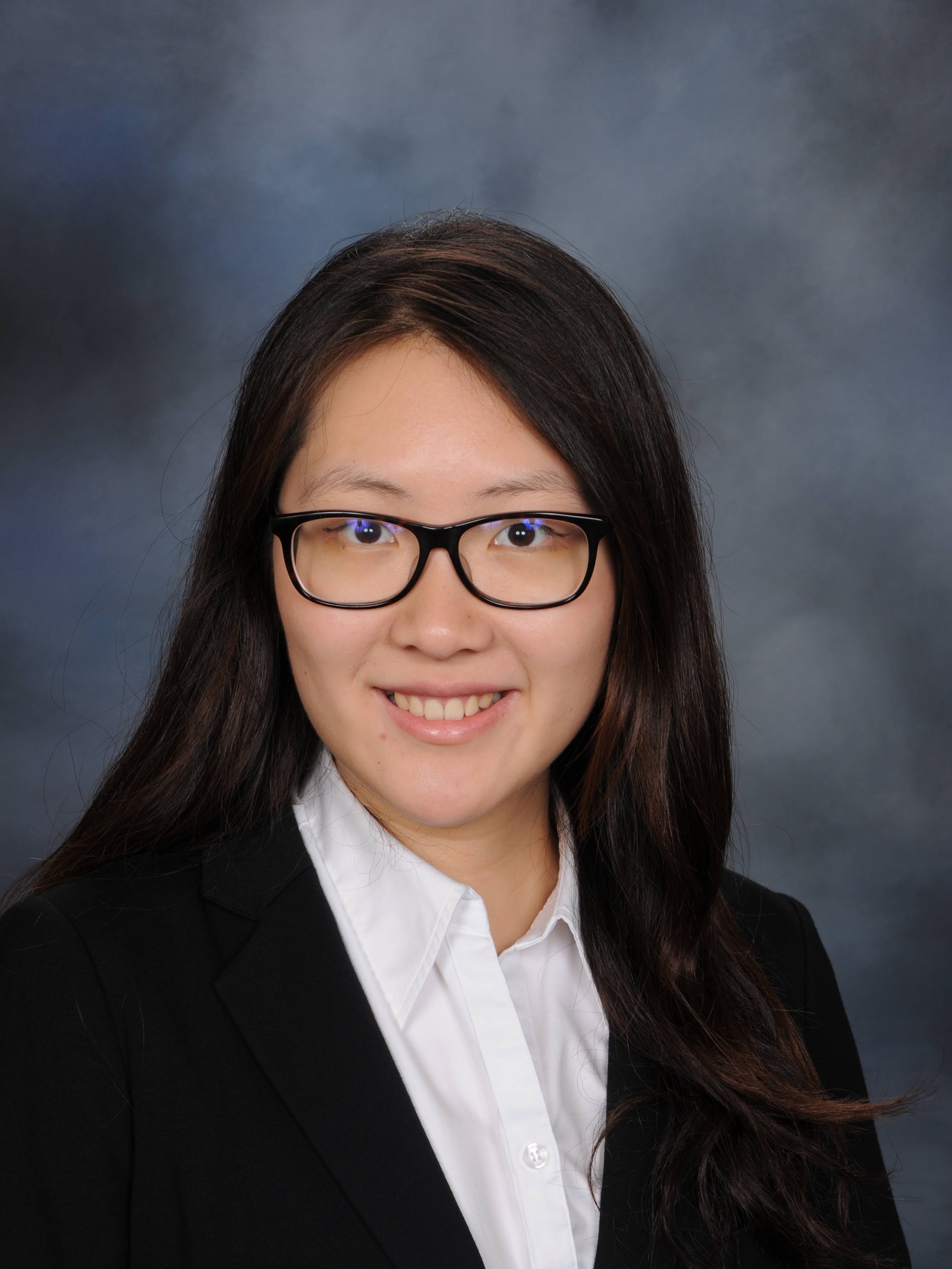
Yanting "Raven" Luo
Graduate Student
Raven is a graduate student in the Cell and Molecular Biology (CMB) PhD program. She is using both computational and molecular techniques to understand the genetic basis of human-specific phenotypes. She is studying the most highly divergent regions of the human genome compared to the other great apes.
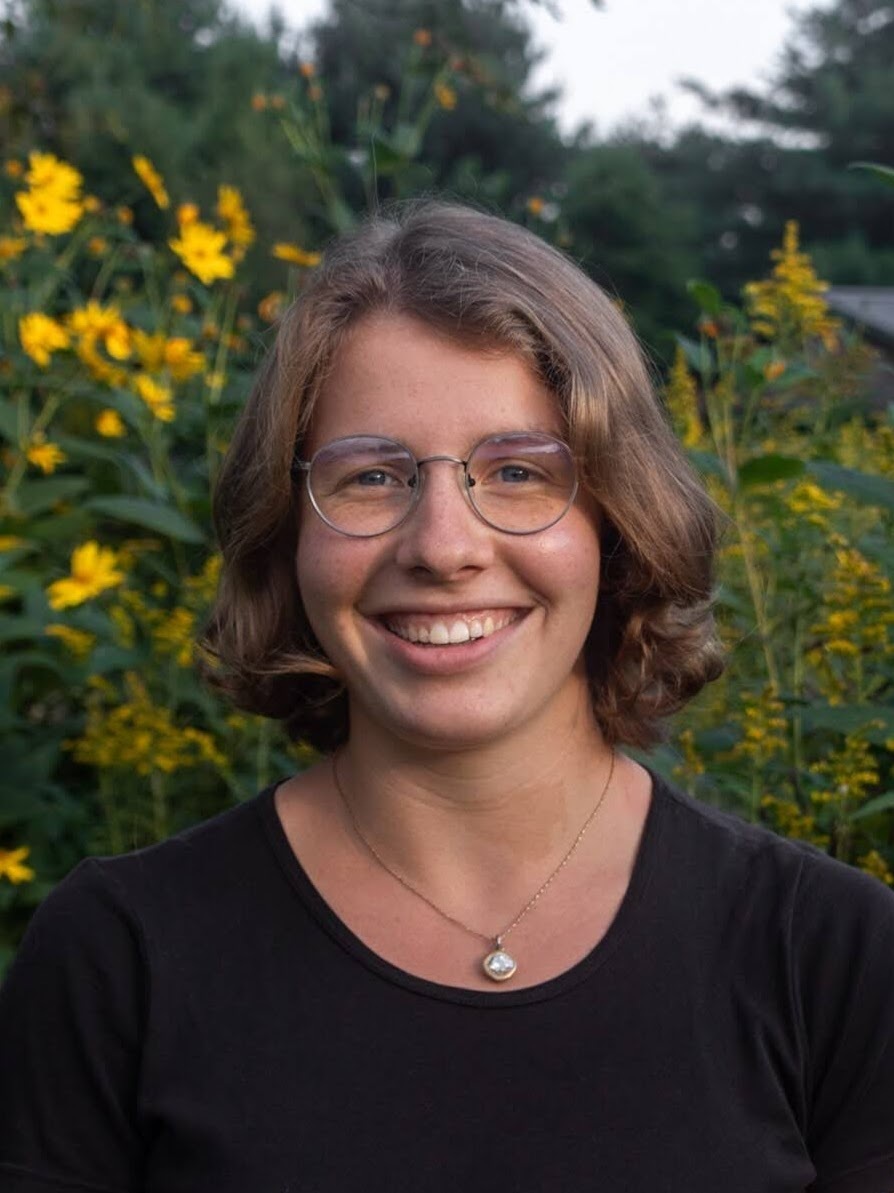
Hailey Napier
Graduate Student
Hailey is a graduate student in the Cell and Molecular Biology (CMB) PhD program. She is studying how cell types in the cerebellum evolve and how changes in their transcriptomes underlie neurodegenerative diseases.
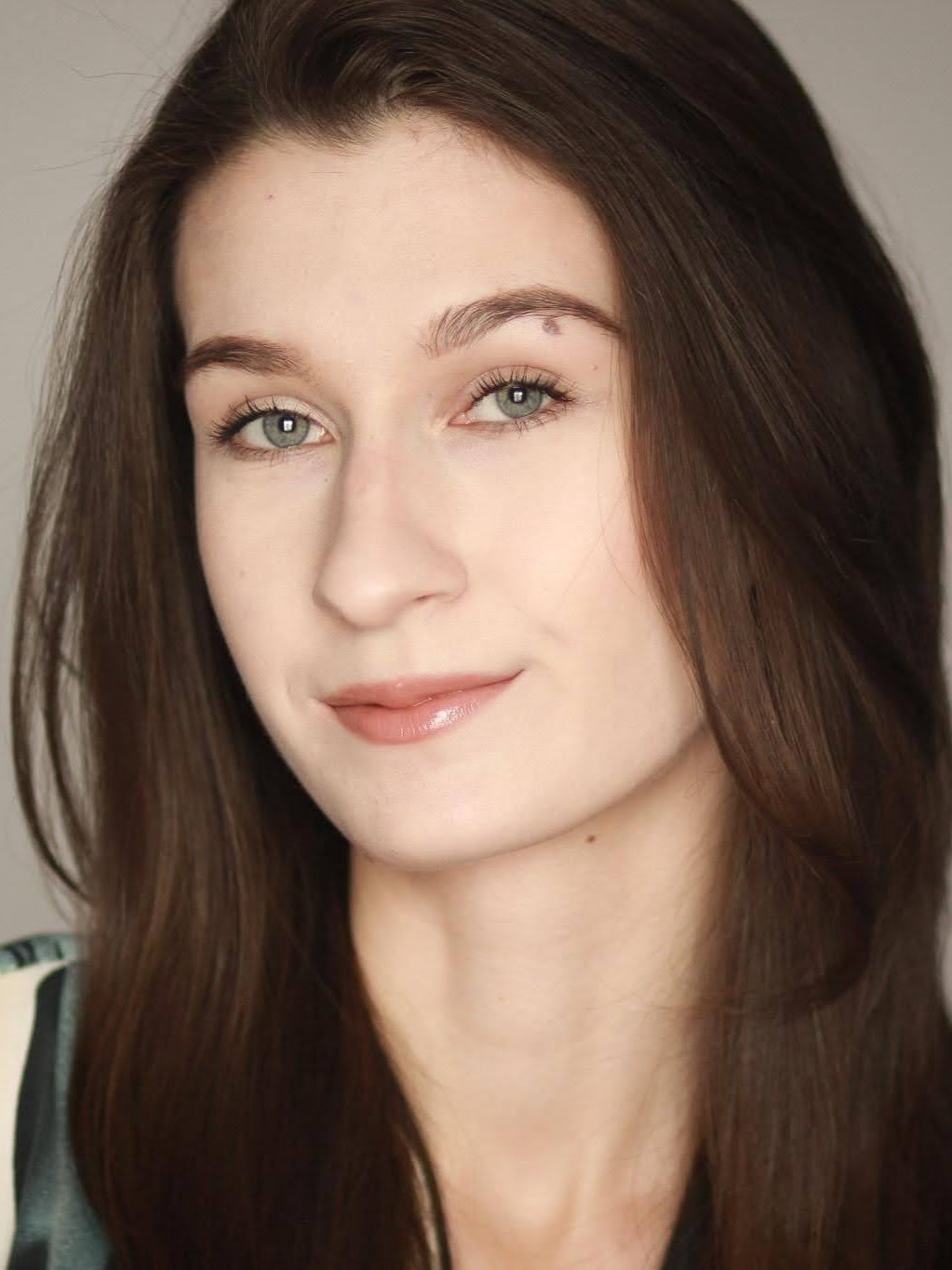
Natalie Dzikowski
Graduate Student
Natalie is a graduate student in the University Program in Genetics and Genomics (UPGG) PhD program. She is studying cell type-specific DNA methylation changes in the brain that occur during aging and age-related cognitive disorders, such as Alzheimer's disease. She is both identifying these changes in methylation and using high-throughput assays to quantify their effect on gene regulatory elements.
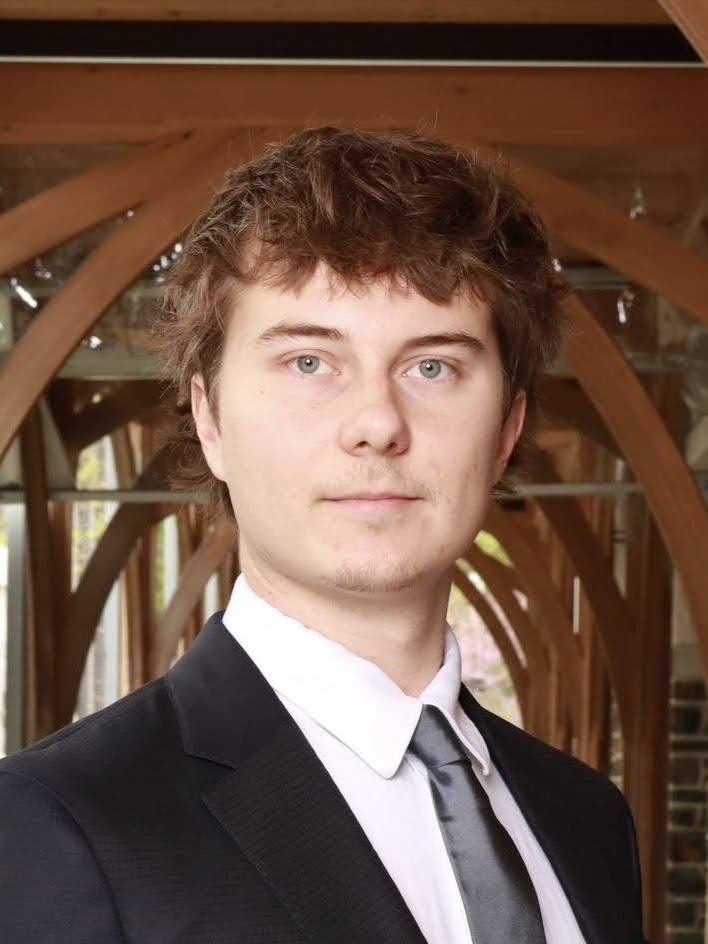
Marcus Valenta
Graduate Student
Marcus is a graduate student in the Molecular Genetics and Microbiology (MGM) PhD program. Nerves continually heal less well as we age, but we do not know why, or how to counteract this negative effect of aging. Marcus is currently researching the effects of aging on peripheral nerve regeneration by disentangling how much of the effect comes from the nerve itself being old, versus other cells in the body having aged. He is currently evaluating the influence of young blood on old sciatic nerve regeneration using single-cell genomic technologies.
Former Lab Members
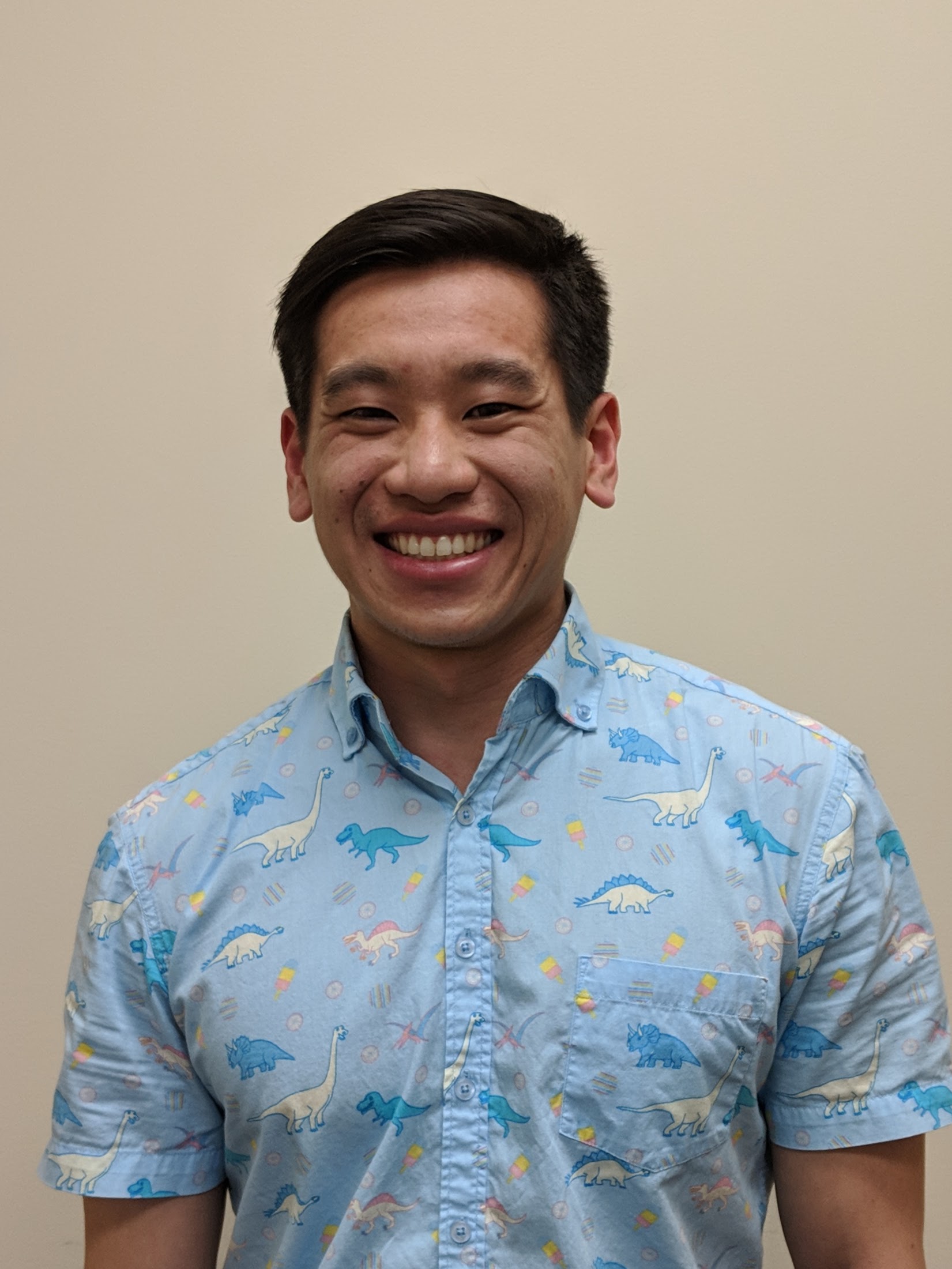
Eric Au
Staff Researcher (2018-2021)
Currently a Software engineer at Boehringer Ingelheim
Eric was the first person to join the Vertebrate Genetics Laboratory and was both a Lab Manager and a Staff Researcher. His background is in applied mathmatics, but he also has over five years of experience working with stickleback fish and worked at Stanford's Genome Center for a year. Eric worked on new computational frameworks for representing genetic variation within a species. Following his time in lab, Eric was a software engineer at Invitae, Berkeley Lights, Mammoth Biosciences, and now Boehringer Ingelheim.
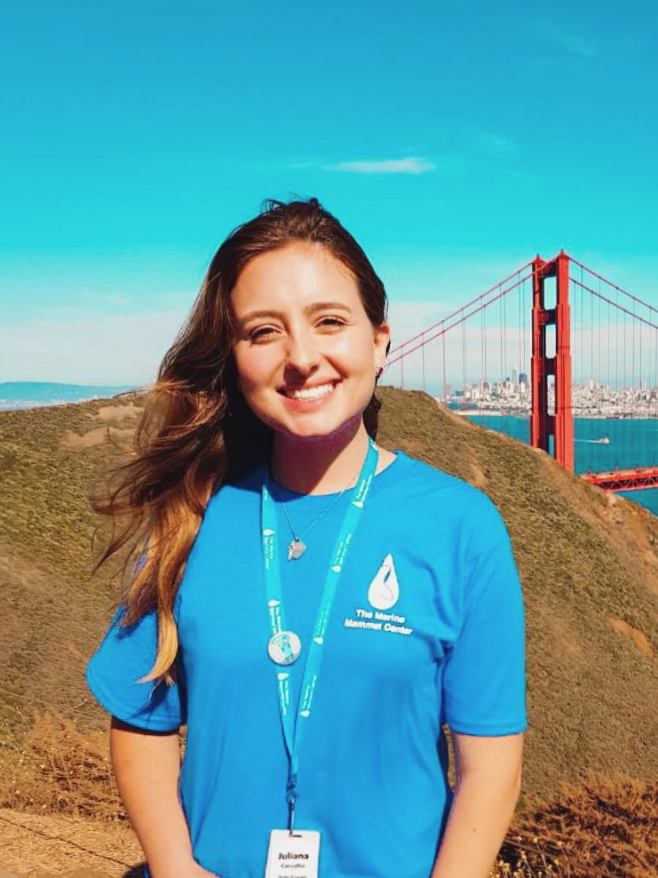
Juliana Carvalho
Staff Researcher (2021)
Currently a Sustainability Associate for Stakeholder Engagement at George Washington University
Juliana was our Lab Manager and also worked to understand the genetic basis of brain expansion and cognitive abilities across a wide variety of mammals. She has a background in both anthropology and marine biology. Her research combined genomics, neurobiology, and the fossil record. After her time in lab, she was a graduate student in the Nicholas School of the Environment at Duke. Juliana is currently at George Washington University managing the Office of Sustainability’s communications. She is also leading the office’s activities around engagement and behavior change on campus, as well as building a culture of sustainability among students, staff, and faculty.
Chelsea Shoben
Graduate Student (2020-2022)
Currently a Data Engineer at Blue Cross Blue Shield
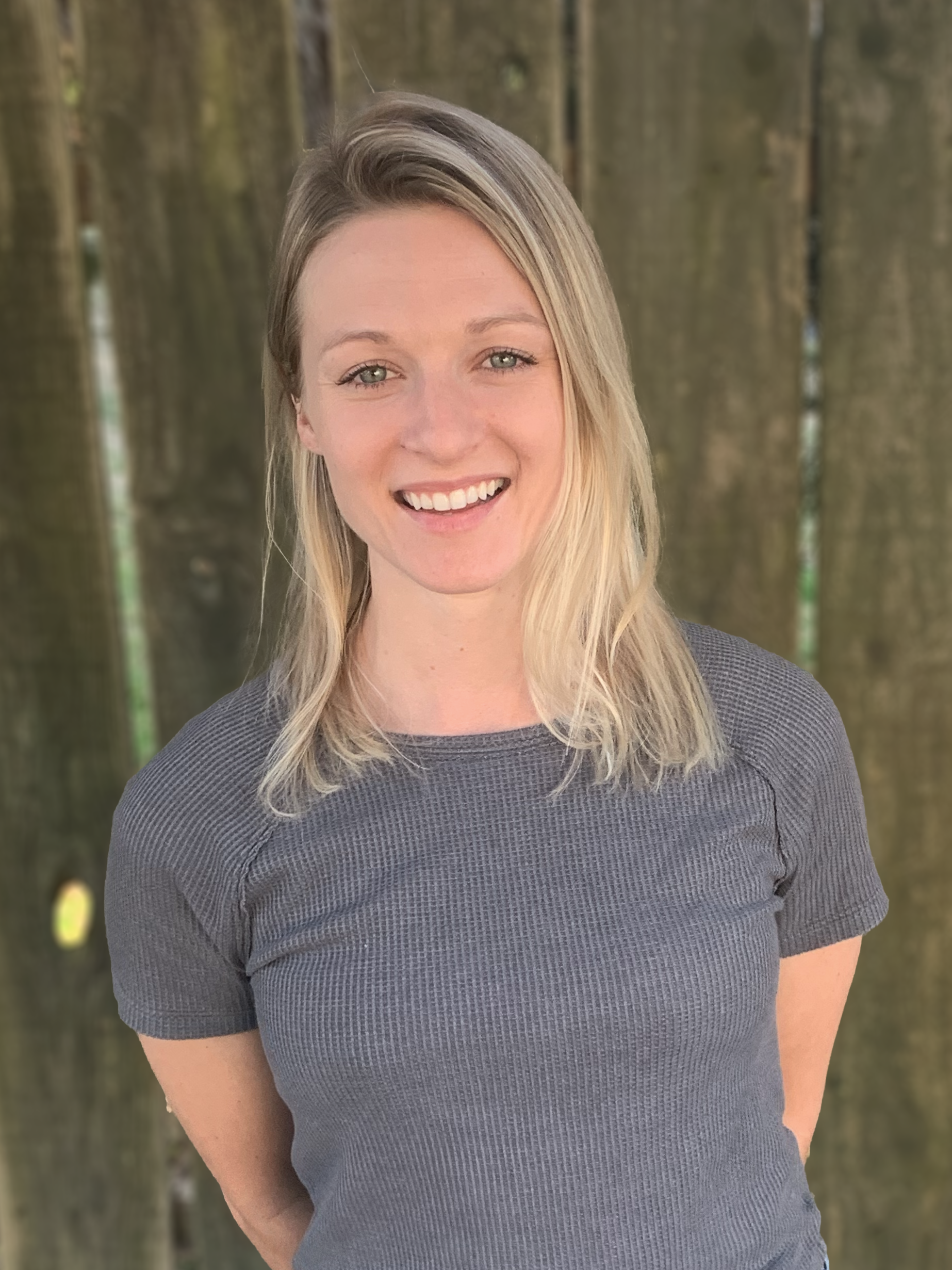
Chelsea graduated with a master's degree in Genetics and Genomics in 2022. Her research was centered on better understanding the most repetitive and difficult-to-analyze regions of the genome. Following her time in lab, Chelsea took a position as a data engineer at Blue Cross Blue Shield.
Shae Simpson
Undergraduate Student (2022-2023)
Currently a Medical Student at NYU Grossman School of Medicine
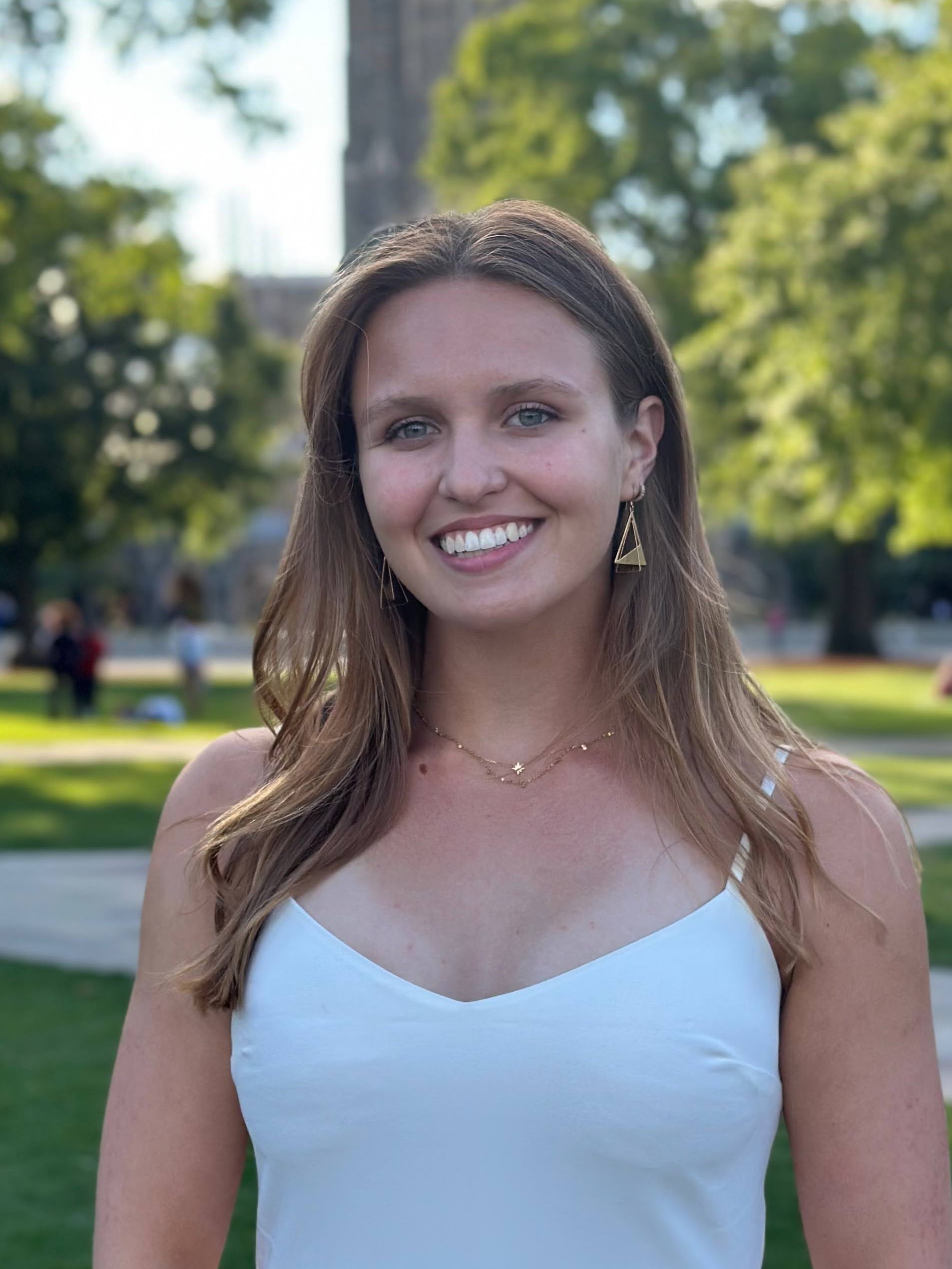
Shae graduated with a bachelor's degree in Evolutionary Anthropology, with honors. She is currently in medical school at NYU.
Riley Mangan
Graduate Student (2019-2023)
Currently a Postdoctoral Associate at the Massachusetts Institute of Technology
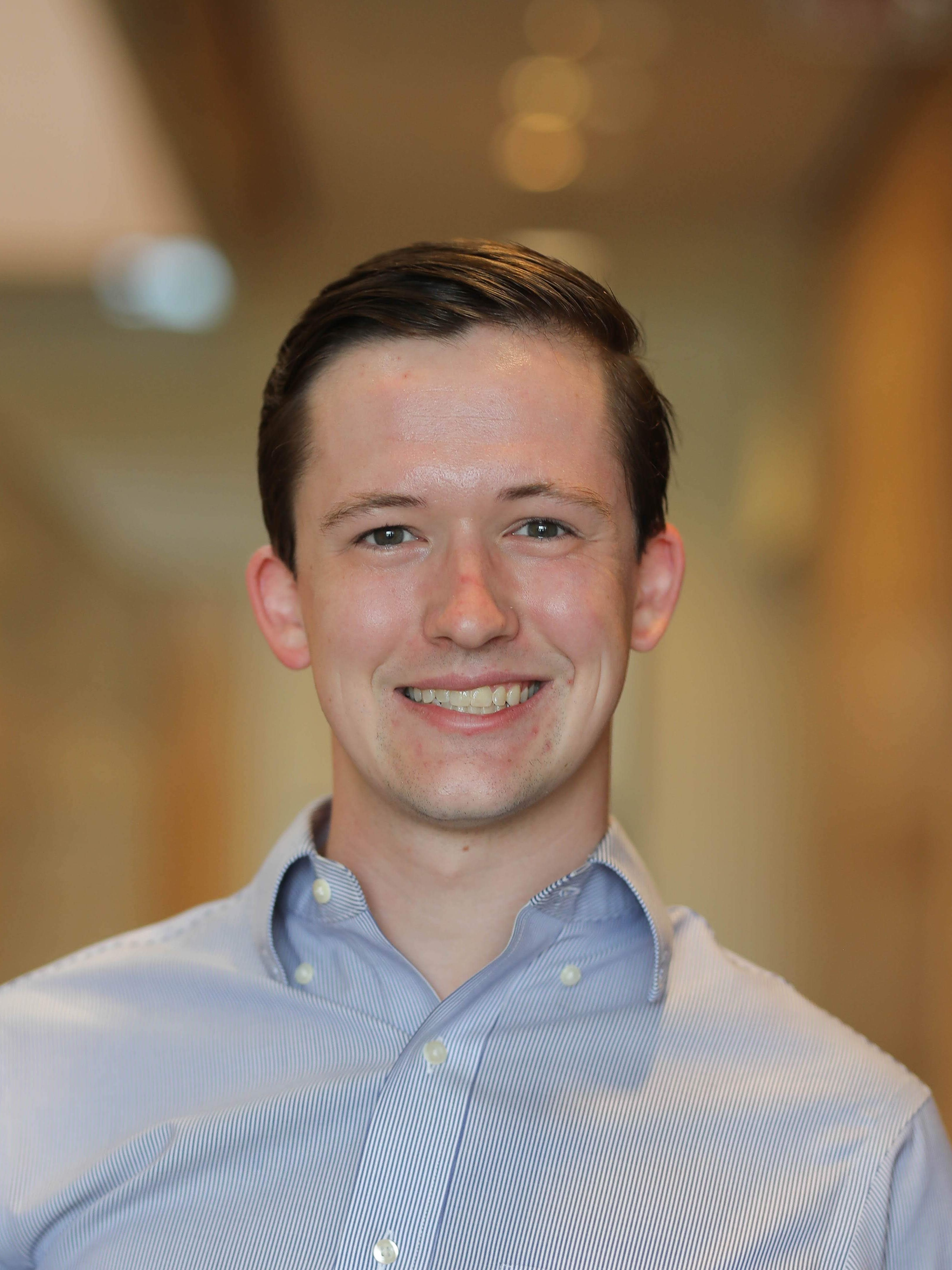
Riley was a graduate student through the Cell and Molecular Biology (CMB) Program and a graduate of Davidson College. Riley's work combined tools from evolutionary biology, comparative genomics, and developmental neuroscience to study human-unique evolutionary processes and disease mechanisms. Since earning his PhD from Duke in Molecular Genetics and Microbiology, he continues to study human evolutionary genetics in the lab of Manolis Kellis at MIT CSAIL.
Tracey Mirembe
Undergraduate Summer Researcher (2024)
Currently a Undergraduate at Davidson College
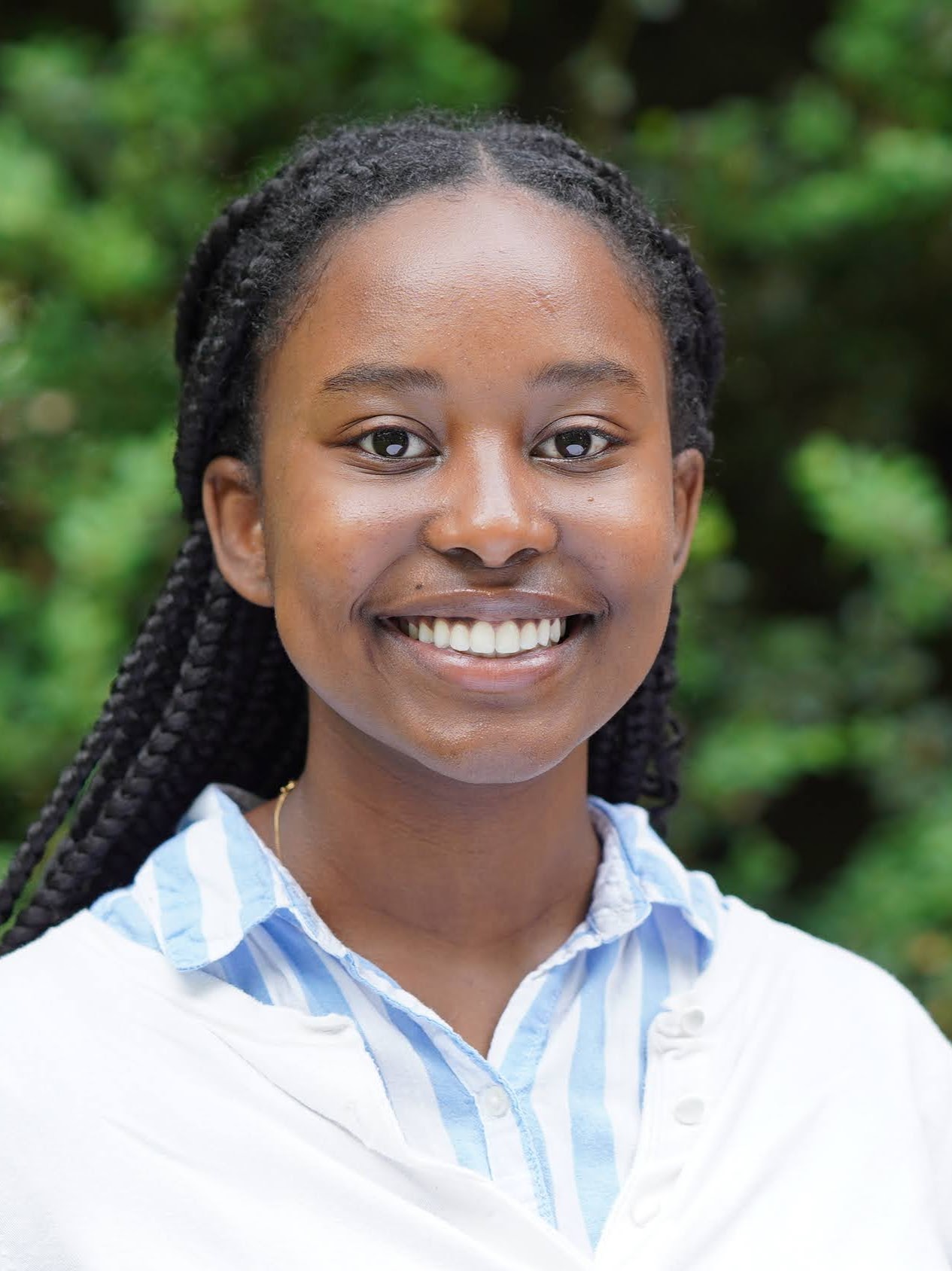
Tracey is an undergraduate at Davidson College and worked with us for a summer to establish CRISPR interference (CRISPRi) in the lab. She focused on designing guide RNAs to the genome of the cell line being used, rather than the reference genome for that species.
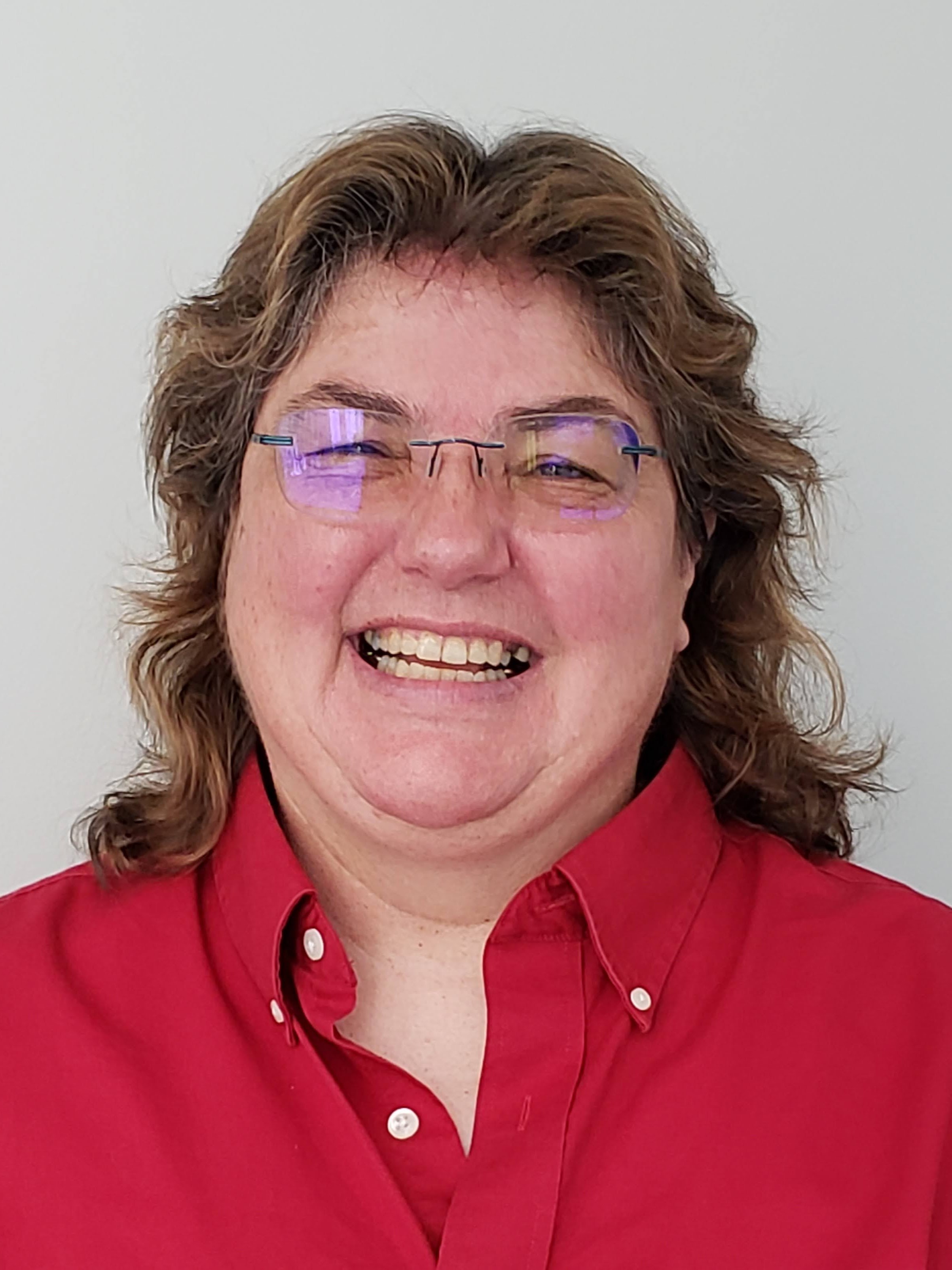
Kat Bendt
Lab Manager and Staff Researcher (2021-2024)
Kat has a track-record of keeping labs running smoothly and making everyone around her more productive.
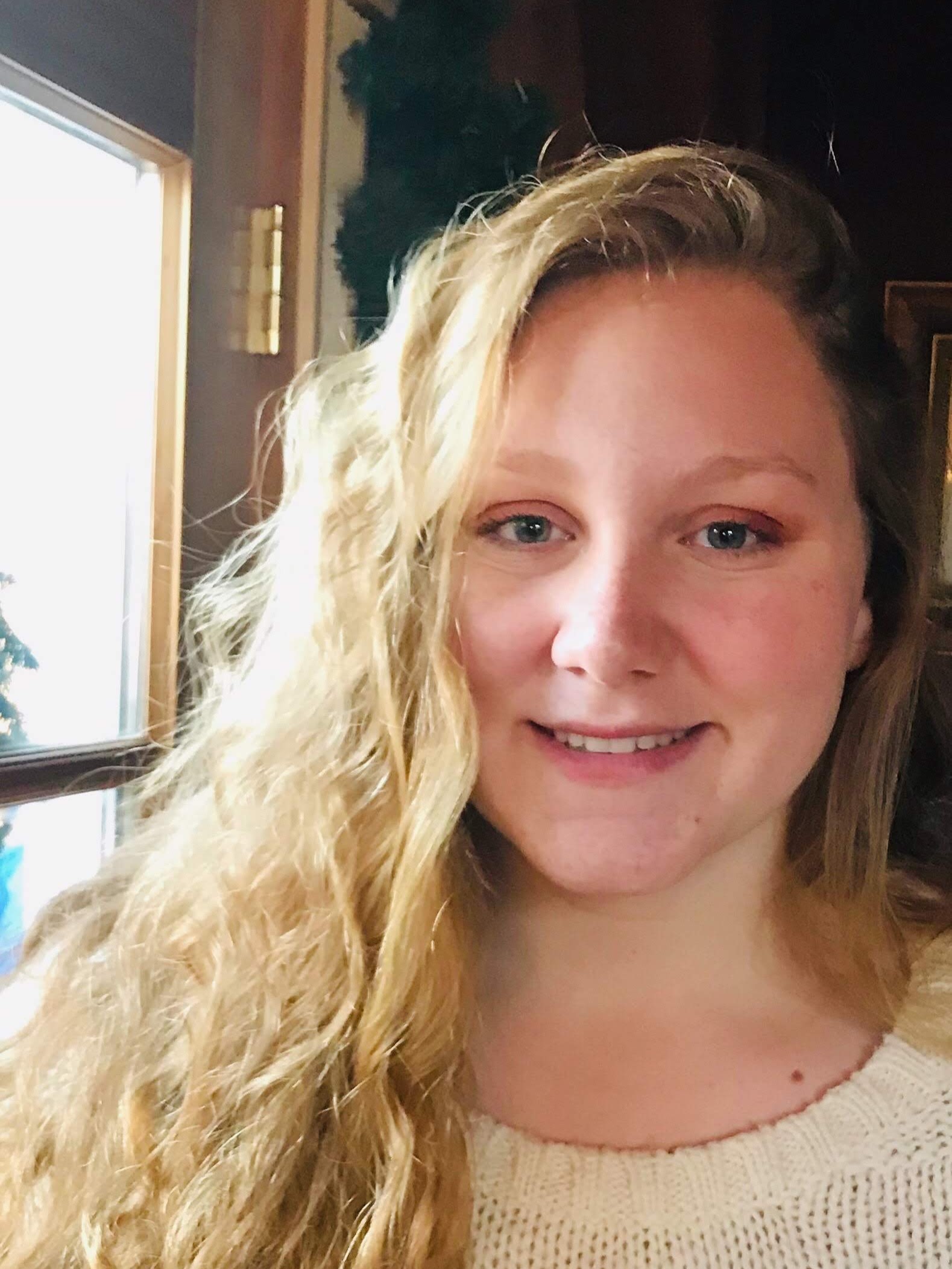
Christiana Fauci
Graduate Student (2019-2025)
Christi graduated with a PhD in Genetics and Genomics. She contributed to our understanding of how cell types evolve. This led to a better understanding of which changes in cell state are likely to be allowable, and which contribute to disease.
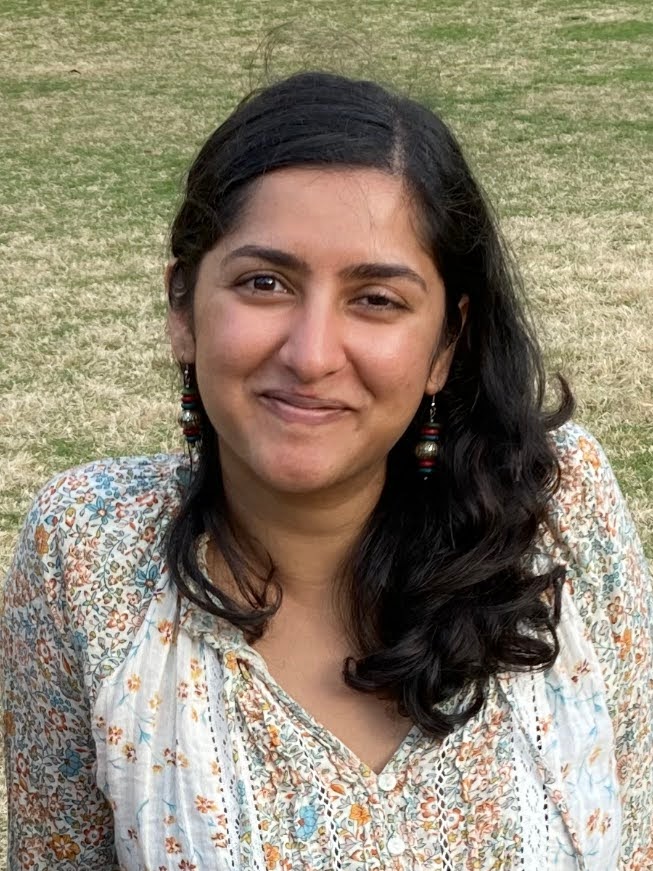
Anushka Katikaneni
Graduate Student (2022-2025)
Anushka graduated with a masters degree in Genetics and Genomics. She studied how stickleback fish adapt to new environments, and also contributed to our understanding of novelty in the human genome.
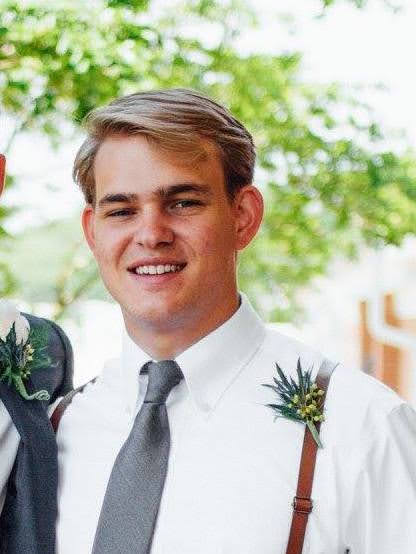
Luke Bartelt
Graduate Student & Postdoctoral Researcher (2020-2025)
Currently an Assistant Professor of Neurology at UT Southwestern
Luke graduated with a PhD in Genetics and Genomics and stayed in our lab for his postdoctoral studies. During this time, he made significant contributions to defining the molecular mechanisms that connect human-specific poly-Q expansions to neurodegeneration. Luke used new genomic techniques to analyze these diseases at the level of single cells, and developed a method to more evenly sample cell types present at different proportions within a complex tissue, like the cerebellum. He is currently a faculty member in the Department of Neurology at UT Southwestern.